Insurance
In today’s uncertain world, *insurance* has become an essential aspect of financial planning and risk management. Whether it’s securing your home, vehicle, health, or life, *insurance* offers peace of mind, protecting you from unexpected financial burdens. This article will delve into the fundamentals of *insurance*, its various types, and how you can choose the right policy tailored to your needs.
What is Insurance?
At its core, *insurance* is a contractual agreement between an individual or organization (the policyholder) and an *insurance* company. The policyholder pays regular premiums to the *insurance* provider in exchange for financial protection against specified risks. These risks could range from property damage and medical expenses to loss of income or death.
The Importance of Insurance
In the absence of *insurance*, the financial implications of accidents, illnesses, or other disasters could be catastrophic. Imagine if you had to pay for all medical bills, house repairs, or car accidents out of pocket – the costs could easily run into thousands of pounds. *Insurance* ensures that these expenses are covered, allowing you to focus on recovery without the added stress of financial strain.
Types of Insurance
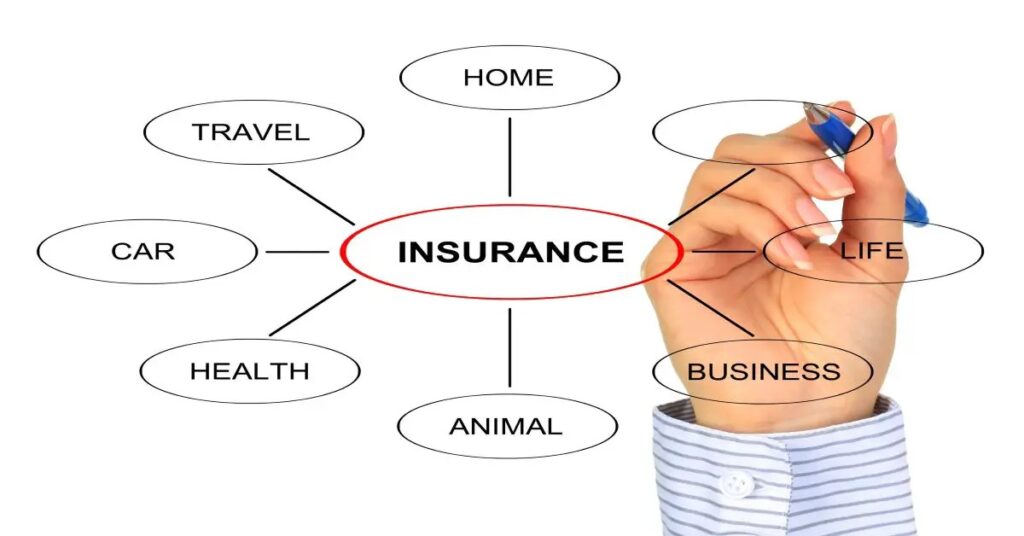
There are several types of *insurance* available in the UK, each serving a different purpose. The most common types include:
Life Insurance: This form of *insurance* provides a lump sum to your beneficiaries in the event of your death. It ensures that your family is financially secure and can cover living expenses, mortgage payments, or educational costs.
Health Insurance: Health *insurance* covers medical expenses such as doctor’s visits, hospital stays, surgeries, and treatments. In the UK, while the NHS offers public healthcare, private health *insurance* gives you quicker access to treatments and a broader choice of medical professionals.
Car Insurance: As a legal requirement in the UK, car *insurance* covers damage to your vehicle and liabilities arising from accidents. Depending on your policy, it may cover third-party damages, fire, theft, or even comprehensive coverage for all risks.
Home Insurance: Home *insurance* protects your property and its contents. Buildings *insurance* covers the structure of your home, while contents *insurance* covers the belongings within it. Combined, these policies ensure your home and assets are protected from risks like fires, floods, and burglaries.
Travel Insurance: When traveling abroad, travel *insurance* covers medical emergencies, trip cancellations, lost luggage, and other unforeseen issues. It provides peace of mind, especially when traveling to countries where healthcare costs are high.
Pet Insurance: For pet owners, this type of *insurance* covers veterinary bills and treatments in case your pet falls ill or gets injured. It ensures you don’t have to face expensive vet bills while taking care of your furry friend.
How Insurance Works
Understanding how *insurance* work is crucial before you purchase a policy. Essentially, when you buy *insurance*, you’re agreeing to pay premiums – usually monthly or annually. In exchange, the *insurance* company agrees to compensate you for any losses covered under the policy.
Choosing the Right Insurance
Selecting the right *insurance* policy can be daunting, given the multitude of options available. Here are a few tips to help you make an informed decision:
Assess Your Needs: Start by identifying the areas of your life where *insurance* is essential. If you own a home, home *insurance* is a must. If you drive, car *insurance* is legally required. Understanding your needs will help you focus on the types of *insurance* most relevant to you.
Compare Policies: Once you know the type of *insurance* you need, compare policies from different providers. Don’t just focus on the premiums – consider what the policy covers, any exclusions, and the excess you would need to pay in the event of a claim.
Check the Insurer’s Reputation: A crucial part of purchasing *insurance* is choosing a reputable provider. Check customer reviews, financial stability, and claims processing time. A company with a poor reputation for handling claims may not be the best option, even if their premiums are lower.
Understand the Terms and Conditions: Always read the policy documents thoroughly before signing. Ensure you understand what is covered, what is excluded, and any conditions you need to meet for your *insurance* to remain valid.
Seek Professional Advice: If you’re unsure about which policy to choose, consider seeking advice from an *insurance* broker. They can provide personalized recommendations based on your circumstances and budget.

The Role of Insurance in Financial Planning
*Insurance* is not just about mitigating risk; it’s also an essential part of financial planning. By having adequate *insurance*, you can protect your wealth and ensure long-term financial stability for yourself and your family.
For example, life *insurance* ensures that your dependents are not left in financial hardship if something happens to you. Similarly, health *insurance* can prevent you from draining your savings in the event of a medical emergency. Car and home *insurance* protect your assets, ensuring you’re not faced with significant repair or replacement costs.
Conclusion
In summary, *insurance* is an indispensable tool for managing risk and securing your financial future. Whether it’s protecting your health, home, car, or loved ones, *insurance* plays a vital role in safeguarding what matters most. By choosing the right policies and regularly reviewing your coverage, you can ensure that you’re adequately protected against life’s uncertainties.