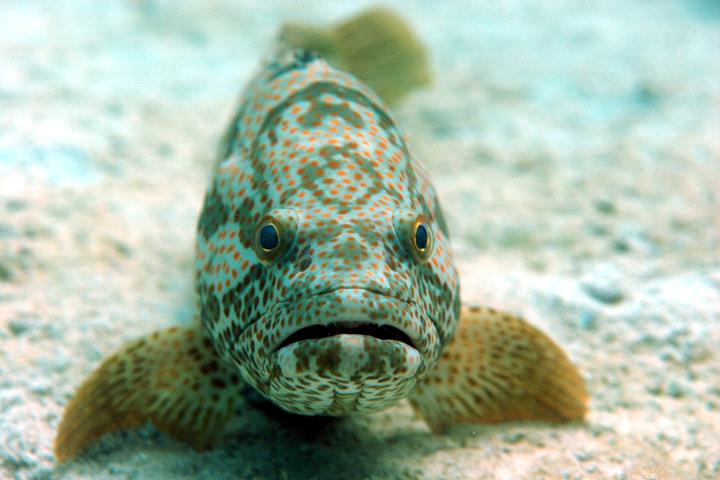
The oceans are full of remarkable species, each carrying its own cultural, economic, and ecological importance. Among them, hamour fish stands out as one of the most recognised species in the Middle East, particularly in the Arabian Gulf region. Known for its distinctive taste and nutritional value, this fish has become a staple in households, restaurants, and markets. Beyond just being a food source, it holds cultural significance and is an important part of the region’s fishing traditions. To understand why this species has gained such recognition, it is important to look at its characteristics, its popularity in cuisines, and the challenges it faces due to environmental changes.
The Significance of Hamour Fish
Hamour fish, also known scientifically as Epinephelus coioides, is a type of grouper that thrives in the warm waters of the Arabian Gulf, Indian Ocean, and parts of the western Pacific. The species is particularly common in countries such as the United Arab Emirates, Qatar, and Saudi Arabia, where it is often considered a national delicacy. Its popularity arises from its firm white flesh, mild flavour, and versatility in cooking. Whether grilled, baked, or fried, it adapts well to a variety of recipes, making it one of the most sought-after fish in local markets.
Apart from its culinary appeal, hamour fish has cultural and economic significance. Fishermen in the Gulf have relied on it for decades, with many communities depending on it as a livelihood. It is also frequently served at family gatherings, special occasions, and festive celebrations, symbolising hospitality and tradition. In local markets, it is among the premium fish varieties, often commanding a higher price compared to other species. This economic value has made it not only a source of nutrition but also an important contributor to local fishing industries.
Nutritional Value and Health Benefits
Hamour fish is more than just a delicious dish; it is also highly nutritious. Rich in protein, vitamins, and minerals, it is considered a healthy addition to diets. Its protein content supports muscle growth and repair, while the omega-3 fatty acids present in the fish contribute to heart health and improved brain function. These fatty acids also reduce inflammation and lower the risk of chronic illnesses such as heart disease and arthritis.
The fish is also a good source of essential vitamins like vitamin D, which helps in strengthening bones and boosting the immune system. Minerals such as selenium, magnesium, and potassium are present in significant amounts, supporting metabolic functions and overall well-being. Another advantage is that hamour fish is relatively low in fat compared to other protein sources, making it an ideal choice for those aiming for a balanced and healthy lifestyle. For health-conscious individuals, it provides nourishment without compromising taste.
Role in Arabian Cuisine
In Arabian cuisine, hamour fish is treated as a delicacy that can be prepared in numerous ways. One of the most popular cooking styles is grilling the fish with traditional spices, giving it a smoky and flavorful taste. In many Emirati households, it is cooked with rice to create a hearty dish that reflects the region’s heritage. It can also be fried with a crispy coating, baked with herbs, or stewed with vegetables, making it suitable for both traditional and modern recipes.
Restaurants across the Gulf countries often highlight hamour fish on their menus, offering both locals and tourists a taste of authentic regional flavours. Because of its mild taste, it pairs well with strong spices, marinades, and sauces. Chefs often experiment with it in international cuisines, blending traditional Arabian flavours with global cooking techniques. This versatility in preparation has made it an integral part of the region’s dining culture.
Conservation and Sustainability Challenges
While the popularity of hamour fish is undeniable, the species faces significant challenges today. Due to overfishing and increasing demand, its population has seen a decline in recent years. Fishermen have traditionally relied on this species, but the high level of commercial fishing has put pressure on its natural habitats. As a slow-growing fish that takes years to reach maturity, hamour fish is particularly vulnerable to overexploitation.
Marine conservation groups and government authorities in the Gulf have raised concerns about the sustainability of its population. Some regions have introduced fishing bans during breeding seasons to protect the species and allow populations to recover. In addition, aquaculture is being explored as a solution, where hamour fish can be farmed under controlled conditions to reduce pressure on wild stocks. Public awareness campaigns are also encouraging consumers to choose sustainable seafood options and support regulations aimed at preserving marine biodiversity.
Conclusion
Hamour fish is far more than just a seafood option; it represents tradition, culture, and economic value in the Arabian Gulf. Known for its nutritional benefits and culinary versatility, it continues to be a favourite among locals and visitors alike. However, the increasing demand and challenges of overfishing highlight the need for sustainable practices to protect this valuable species for future generations. By promoting responsible fishing, encouraging aquaculture, and raising awareness about conservation, communities can ensure that hamour fish remains a treasured part of their cultural and culinary heritage.