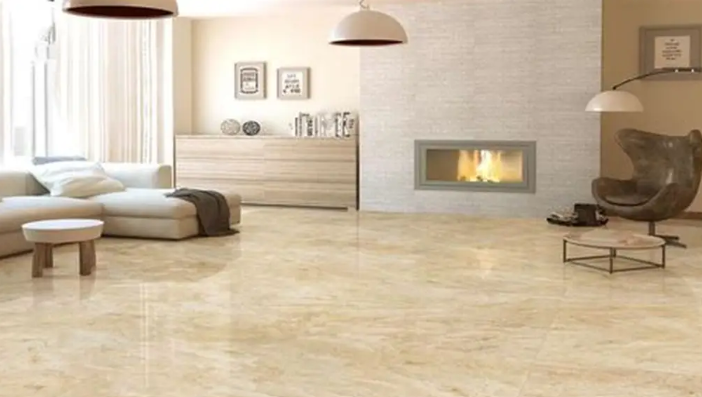
Selecting the appropriate tile for your house or place of business is an investment in comfort, style, and durability more than just design. Marble tiles stand out among the many options available as a representation of luxury and classic style. Marble has been connected to palaces, monuments, and opulent construction for generations. It has now made its way into contemporary homes, turning plain areas into elegant interiors.
Marble is more than simply beautiful, though. Few other materials can compare to the durability, adaptability, and individuality that these tiles offer. Marble tiles provide countless options for bathroom renovations, kitchen backsplash designs, and living room floor upgrades.
Everything you need to know about marble tiles is covered in this extensive reference, including types, advantages, design concepts, installation advice, advantages and disadvantages, and maintenance procedures. You will be able to determine if Milota tiles are appropriate for your project at the end.
Marble Tiles: What Are They?
Blocks of metamorphic rock created under extreme heat and pressure are used to make marble tiles, which are natural stone tiles. Every tile has a different veining design, which makes it a one-of-a-kind complement to any outdoor or indoor area. No two marble tiles are ever the same, in contrast to artificial substitutes like porcelain or ceramic.
They can be tumbled or honed for a softer, matte appearance, but they are typically polished for a glossy, upscale finish. Because marble tiles are available in a range of colors, thicknesses, and sizes, they may be used in a variety of design styles, from traditional to modern.
Why Opt for Marble Tiles?
Marble tiles are chosen by designers and homeowners because they provide benefits beyond aesthetics. Here are a few strong arguments:
- Aesthetic Appeal: Traditional veining designs give an organic, opulent appearance.
- Versatility: Fits well on countertops,floors,walls,and even outside.
- Durability: Marble tiles can endure for decades if properly maintained.
- Uniqueness: Every marble fragment is inherently unique.
Marble Tile Types
There are numerous types of marble tiles, and each has unique structural and aesthetic qualities.
- Italian-made Carrara Marble Tiles
- Look: Light veining on a gentle white or gray background
- Ideal For: Kitchens, bathrooms, and minimalist decor
- Calacatta Marble Tiles
- Italian origin; white base with striking, dramatic gray or gold veins
- Ideal For: Opulent areas like feature walls or hotel lobbies
- Statuario Marble Tiles
- Appearance: Bright white stone with characteristic black veins
- Ideal For: Expensive flooring and statement pieces
- Emperador Marble Tiles
- Rich brown hues with irregular veining
- Ideal For:Warm interiors,offices,and living rooms
- Crema Marfil Marble Tiles
- Spanish origin; light beige hues with delicate veining
- Ideal For: Expansive floor spaces where understated elegance is desired
Marble Tiles for Various Areas
Marble Floors
Marble floors immediately add sophistication and beauty to a room. Because their inherent sheen can be completely appreciated in living rooms, foyers, and halls, they are popular there.
Marble Tiles for Walls
Marble wall tiles offer depth and texture when used as kitchen backsplashes, bathroom walls, or accent walls. In order to balance cost and beauty, they are frequently mixed with different finishes.
Marble Tiles for Bathrooms
Marble tile bathrooms are luxurious and spa-like. Marble gives a calm, tidy, and classic appearance to shower walls and flooring.
Marble Tiles for Kitchens
Marble makes kitchens more opulent whether used as countertops or flooring. Particularly in style are backsplashes with smaller marble tiles, such as herringbone mosaics.
Benefits and Drawbacks of Marble Tiles
Benefits
- Natural patterns and unparalleled beauty
- Increases the value of real estate
- Suitable for underfloor heating, heat-resistant
- Numerous hues and textures
Drawbacks
- Porous surface that, if not sealed, is prone to discoloration
- Requires consistent upkeep
- Can be pricey in comparison to other options
- Slick when polished, particularly in restrooms
Marble Tile Design Ideas
Contemporary Spaces with a Minimalist Feel
For a simple, modern style,combine sleek furniture with white Carrara marble floors.
Elegant Bathrooms
For contrast,use matte black fixtures with Calacatta marble walls.
Cozy Living Spaces
To create a comfortable space, use earthy or beige-colored Emperador marble flooring.
Patios Outside
Choose weather-resistant and slip-resistant tumbled marble tiles.
Advice for Marble Tile Installation
Marble tile installation demands accuracy. Here’s how to guarantee a perfect finish:
- Preparing the Surface: Make sure the wall or floor is dust-free and level.
- Dry Layout: To balance vein patterns, arrange tiles in advance.
- Use the Right Adhesive: Specialized natural-stone adhesives are needed for marble.
- Sealing: To avoid discoloration, seal tiles both before and after grouting.
- Expert Installation: Hiring professionals lowers the possibility of misalignment or chipping.
Cleaning and Upkeep for Marble Tiles
Marble needs to be maintained to avoid damage and keep its sheen.
- To get rid of grit, vacuum or sweep frequently.
- Steer clear of acidic liquids and use pH-neutral cleaners when mopping.
- Every six to twelve months, reseal surfaces.
- To lessen the spread of dirt, place mats at entrances.
- Clean up spills right away, especially those involving oils and acidic liquids.
Usually, installation expenses increase the cost of materials by 30 to 40%. Marble costs more than porcelain or ceramic, but for many homeowners, the expenditure is justified by its classic beauty.
Common Errors to Steer Clear of
- After installation, omitting the sealant
- Applying acidic cleaning agents, such as lemon or vinegar
- Not testing sample tiles in real lighting
- Selecting glossy tiles without anti-slip coatings for bathrooms with high moisture content
In Conclusion
In contemporary architecture and interior design,marble tiles continue to be among the most tasteful and classic options. They are a global choice among designers and homeowners because they blend durability with natural beauty. Although they require more maintenance than porcelain or ceramic, the luxury and value they offer are unparalleled.
Marble tiles can transform any place into a work of art, whether you’re remodeling a bathroom, adding style to your living room, or creating a chic kitchen. Your marble surfaces will look great for decades if you choose, install, and maintain them properly.
FAQs
1. Are marble bathroom tiles suitable?
Marble bathroom tiles do really create an opulent, spa-like atmosphere, but for safety, it’s recommended to use matte or honed finishes.
2. How should marble tiles be maintained?
Marble tiles are maintained in good condition by routine cleaning, neutral cleanser mopping, and resealing every six to twelve months.
3. Are porcelain tiles inferior to marble tiles?
Marble has unparalleled natural beauty, but it needs more maintenance. Porcelain is less expensive and requires less upkeep.
4. Are marble tiles prone to discoloration?
Marble is porous, therefore if it is not properly sealed, it can get stained, especially by acidic substances like juice or wine.
5. How long do marble tiles last?
Marble tiles can retain their inherent beauty for 20 to 25 years or more with the right care.
6. Are marble floors environmentally friendly?
Yes, marble is a more sustainable material than synthetic alternatives because it is a natural one. Quarrying, however, has an effect on the ecosystem.
7. Is it possible to utilize marble tiles outside?
Yes, but choose weather-resistant and slip-resistant tumbled or honed finishes instead.