Introduction: Addressing The Issues of Bird Control on Commercial Rooofs
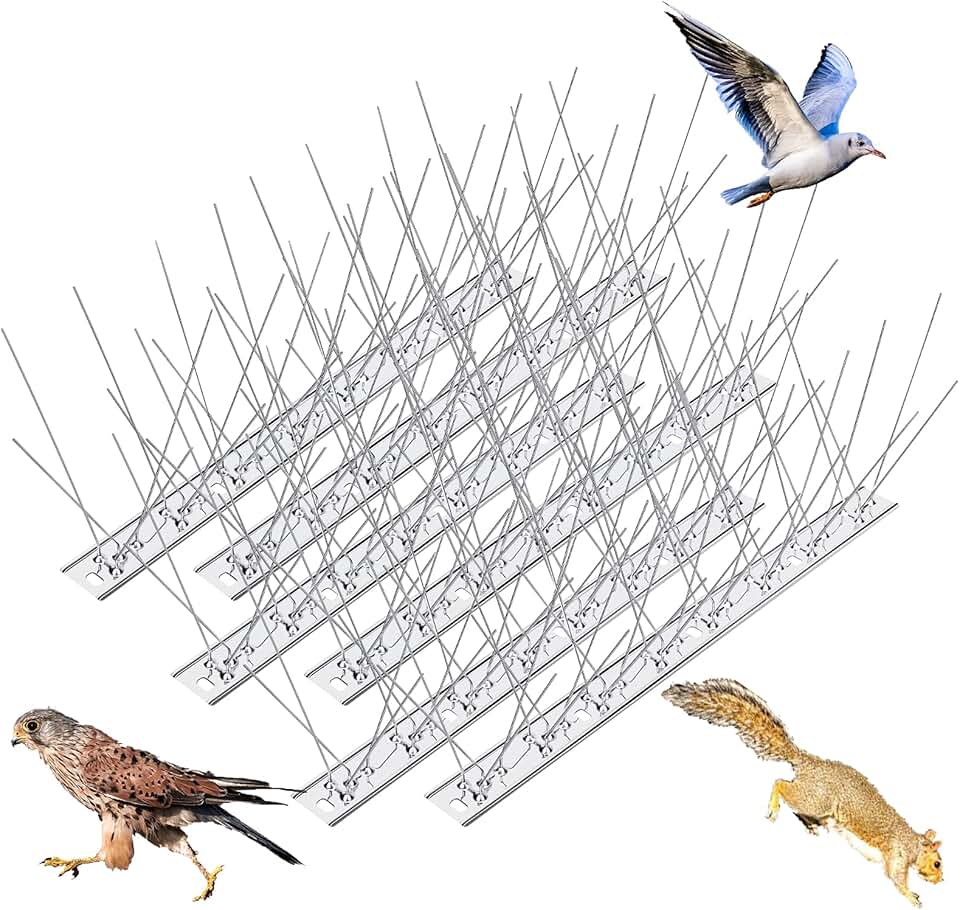
Bird activity on commercial rooftops continues to be a problem in urban areas where buildings provide ideal spaces for nest, perching, and roosten for birds. Species such as pigeons, seagulls, starlings, and crows flat congregate on rooftops leading and causing a multitude of issues. From adding to the mess of bird droppings and nesting debris to overeating air conditioning systems and draining systems, there is an array of problems that arise as a result. Facility managers and property owners fully understand the need behind hygiene, health safety, and structure durability and hence, work on effective rooftop bird spikes installation.
Understanding the Risks Posed by Birds
While birds may seem harmless, their presence on rooftops pose a critical problem for facility managers and property owners. Using such spaces as perching areas enables them to nest, leading to an increased risk of damaging various systems for air ventilation. Furthermore, acidic bird droppings corrode building infrastructure, leading to stains on the surface and even scorching rooftop machinery. Also, neglected bird issues result in hampered ventilation systems, increased health risks, maintenance costs, and loss in business leverage through poor aesthetics resulting in lost service opportunities. Bird spikes in dubai can mitigate these problems.
Bird Spikes: Effortless but Highly Efficient
Electric Track Systems: High-Tech Deterrence
Electric shock track systems offer the latest discreet bird deterrent technology for rooftops. These systems inflict a non-lethal electric pulse to birds attempting to land which conditions them to avoid the area. Tracks can be placed along edges, ledges, and even signs, as they are low-profile and flexible. Although the initial investment is higher compared to other systems, they help maintain the building’s appearance while consistently repelling persistent birds. For safety and compliance reasons, these systems should be installed by licensed professionals.
Bird Wire Systems for Ledges and Beams
Bird wire is a mounted tense stainless steel wire that runs along ledges or parapets. It serves as an unstable landing surface for birds and prevents them from roosting. This method is unobtrusive and is ideal for visual sensitive buildings. In addition, they are weather resistant and have high durability. While effective for smaller birds and moderate infestations, they may be less effective in high-pressure scenarios with larger birds such as gulls.
Ultrasonic and Audio Repellent Devices
Ultrasonic deterrents for birds produce sound waves inaudible to humans, but unpleasant to birds. Serving as an audio deterrent, some speakers emit distress calls or predator sounds to further discourage birds from the area. These devices have the ability to be solar-powered and set to specific functioning hours. They are primarily useful in conjunction with physical systems, as they cannot stand alone. Sound devices are best suited for expansive rooftops.
Visual Deterrents: Low-Cost but Limited Range
Reflective tape, predator decoys (owls or hawks) and even holographic discs make bird control inexpensive. These visual tools work by disorienting and startling birds with light and movement. While effective initially, these solutions tend to lose their effectiveness overtime as birds adjust to their presence. They are best suited for low-pressure zones or as interim options waiting on permanent systems to be installed. Their long term impact requires regular change and repositioning to sustain effectiveness.
Bird Repellent Gels and Coatings
Birds can be prevented from landing on flat areas by applying sticky gels which become unpleasant to the birds. Bird return is discouraged by the unpleasant experience sticky repellent gels create. Some products add scents or UV light to enhance deterrence. Gels are best for temporary needs since they are not long-term solutions and require reapplication. They are useful in supplementing other control methods, however, long-term usability is limited due to dust collection and required maintenance.
Integrated Bird Management Plans
The most efficient bird deterrence incorporates multiple solutions developed into an integrated bird management plan. This method entails analyzing a building’s architecture alongside the avian species in question and evaluating the pressure level and surrounding environment. It provides comprehensive protection combining spikes, netting, maintenance protocols, sound systems, and even avian specialist services. Working alongside bird control services helps develop an effective risk compliant plan tailored to the client’s needs.
Legal and Ethical Aspects
All actions regarding the control of birds on rooftops must comply with local laws concerning wildlife protection. The majority of birds fall under the category of protected species, and any form of violence against them or their habitats can incur legal penalties. Methods of bird control which first consider humane aspects, namely those which do not result in injury or death to birds, are always the best choices. Professional installers have knowledge of applicable laws and will make sure that the solutions are compliant. Ethical bird control also promotes responsible corporate environmental practices.
Conclusion: Deter Today to Offset Tomorrow’s Costs
Problems caused by birds on commercial rooftops are not only a nuisance but also a maintenance and health concern. Property managers can now safeguard infrastructure and maintain the building’s professional image and safe working environment by implementing comprehensive deterrence systems. Advanced bird control using netting, spikes, or integrated systems provides enduring protection against damage and disruption, proving to be a judicious investment. When properly implemented, commercial buildings can maintain cleanliness and operational efficiency year-round without avian interference.