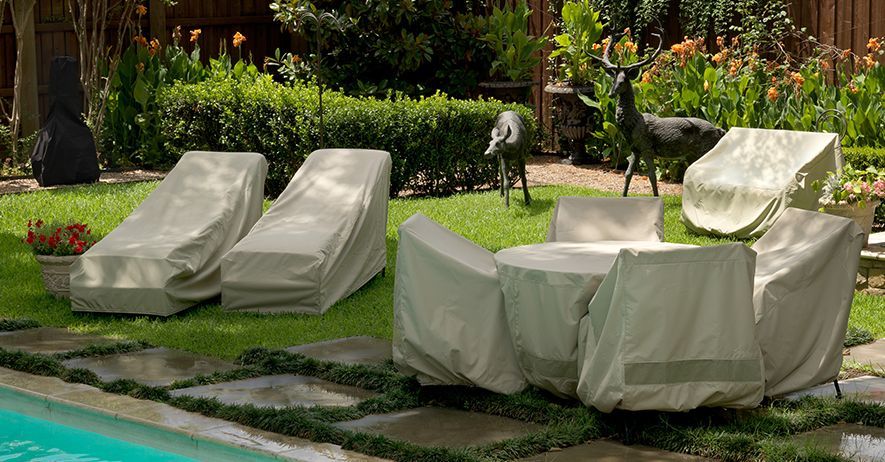
In the modern world, outdoor furniture covers serve two purposes enhancing looks and protecting the outdoor furniture’s value. Their effectiveness largely depends on the kind of fabrics utilized in their construction. Modern technology has been able to improve fabric technology, resulting in protective covers which are not only aesthetic but provide long lasting protective functionalities. Selecting the appropriate fabric can either make a cover short lived or sustain for many years.
Custom outdoor furniture covers serve as the first line of defense protecting against all elements like snow, sun, dust, and even rain. With the modern world comes the advancements in fabric technology, introducing more weather resistant raw materials. Everything from snow to strong winds, rain, and sun is now able to be fought off using solution dyed acrylic or synthetic polyester fabrics. Moisture can now be protected from damaging the furniture using water resistant materials alongside internal waterproofing such as PU or PVC.
UV Protection: Combating Sun-Induced Degradation
As a result of the sun’s constant rays, fabrics may fade, plastics may crack, and wooden surfaces may dry. To remedy this, outdoor furniture covers specially solution-dyed acrylic fabrics with UV inhibitors integrated into the fiber or added as a coating. Solution-dyed acrylic fabrics are exceptionally popular because the dye is incorporated into the yarn, granting superior colorfastness as well as UV resistance. These advancements not only defend the cover from fading, but also protect the furniture underneath from permanent sun damage, establishing UV resistance as a primary concern of fabric technology in this field.
Breathability and Moisture Management
Striking a balance with waterproofing vs breathability is one of the outdoor cover design problems. Entirely sealed covers could lead to moisture trapping, leading to mold, mildew, or even rust. To resolve this, fabric manufacturers have come up with materials that are breathable and repel rain while permitting moisture from within to escape. Airflow can be ensured through micro porous membranes or mesh vents which also reduces the risk of condensation. In addition to hygiene, this moisture management helps prolong the life of furniture.
Tear Resistance and Mechanical Strength
Exposure to the elements can be damaging to covers as a result of weathering, rubbing, and handling. For this reason, fabric technologies focus on weathering protective materials and their tensile strengths. Covers are often reinforced with high-denier polyester, ripstop weaves, and reinforced stitching to improve their mechanical strength. These fabrics serve to protect the covers against tearing and damage from sharp forces, accidental bumps, or wind. Fabrics made to resist tearing ensure the fabric covers stay functional and protective months into exposure and use.
Coating Technologies for Enhanced Performance
Coating applications are paramount to the protective features fabrics are enhanced with. Coatings like PU apply waterproofing while also adding flexibility, and PVC coatings are known for higher structural strength and resistance to abrasion. For increased efficiency, some fabrics are double coated. Coatings can also include antimicrobial agents that inhibit mold and algae, thus augmenting the fabrics. These multi-continental technological advancements ensure that the fabric is suitable for outdoor exposure in different regions and climates throughout the year.
Color Retention and Aesthetic Longevity
Fading is one of the most prominent signs of damage to outdoor furniture covers. Modern technologies in fabric creation prioritize color retention through more sophisticated dyeing processes. Yarns that are solution-dyed rather than surface dyed remain more vibrant under the sun for longer periods of time. Coatings that retain color aid in the maintenance of a vibrant appearance, thus preserving a youthful look for many years. This concern for visual wear-and-tear allows the covers to not only perform well functionally, but also remain stylish and well-kept over time.
Eco-Friendly Fabric Innovations
The increase in concern for the environment has led to new sustainable initiatives being adopted into fabric technology with regards to outdoor furniture covers. There are now measures such as the use of recycled polyester, coatings that are biodegradable, and emission-controlled manufacturing processes. There is now a shift from using solvent-based coatings and dyes to using water-based alternatives which greatly reduces the environmental footprint of production. These materials are highly sought after in today’s market due to the fact that they not only meet performance expectations but also align with the values of environmentally conscious consumers.
Flexibility and Customization Through Design of Fabric Technology
Novel technologies in fabric science enhance design customization and personalization. Texture, weave, finishes, and colors of the fabrics can now be customized to furniture preferences. From smooth matte finishes to canvas textures or bold color patterns, plush fabrics offer ease to blend style and protection. This versatility fuels the trend of elegantly furnishing and styling outdoor spaces and converting them into functional extensions of the indoor spaces.
Temperature Control and Thermal Resistance
Excessive heat not only damages covers but also harms the furniture beneath them. Contemporary fabrics can utilize light-colored weaves or reflective coatings to solar radiation to shedding the covering absorbing it. This helps protect the internal temperature beneath the cover and prevents warping or cracking of materials like wood and plastics due to heat stress. Some covers provide extra thermal protection by incorporating liners insulated especially in places with extreme seasonal variations.
Maintenance and Cleaning Simplification
Furniture covers for outdoor use must conform to low-maintenance requirements to best cater to modern needs. Advances made in the manufacturing of fabrics now offer covers that resist stains and dirt, as well as being easy to clean. Some fabrics utilize nanotechnology that causes liquids and grime to bead on the surface, making them easier to wipe away. This is helpful in maintaining routines and ensures a well-groomed appearance, even with regular use or when exposed to dusty environments.
Conclusion: Merging Functionality and Technology
The design and functionality of outdoor furniture covers has been greatly influenced by high-performance fabrics. Contemporary materials offer multifunctional protection, including waterproofing, UV shielding, breathability, and durability while maintaining a seamless appearance and ease of use. The evolution of outdoor living expands alongside the promises of fabric technology, furnishing more intelligent, eco-conscious, and stylish protective solutions for enhanced enjoyment for any spatial setting. Covering outdoor furniture equipped with advanced fabric technologies guarantees peace of mind, sustaining furniture longevity, and enhancing the outdoor experience.